Insights · 7 min read
12 technologies in real estate sales: which ones actually earn money for an off-plan project
Almost every proptech trend review tells you to adopt everything at once. We ran the standard list of 12 through our experience with resort projects that are sold before construction starts, many of them to foreign buyers. 5 of them pay off.
Real estate trend reviews are usually written by the people who sell those trends: visualisation studios, app developers, CRM vendors. In these lists VR tours, blockchain, AR and digital twins sit side by side as if they had the same effect. For a developer that is a trap: the marketing budget is finite and the sales cycle in resort property is long.
We design and package residential complexes, apartments, hotels and villas in Bulgaria, Bali and Zanzibar. A large share of buyers in these projects, often half, are foreigners who decide remotely, often about a building that does not exist yet. That is the lens we used for the list.
What has really changed
The buyer has. Millennials and Gen Z look for property online, on a phone, and prefer messaging to calls. The data usually quoted is from the US, but the picture is the same for a resort buyer from Europe, Ukraine or the Middle East.
The second shift matters more for the product: younger buyers care about the area and the lifestyle more than about square metres. They are not buying 64 m², they are buying a morning with a sea view and income from the rental season. That works in favour of a resort product, if it is shown properly.
What is outdated in these reviews
The iBuyer model, where a platform buys homes itself and resells them, still shows up in trend lists. It is a counterexample: Zillow shut down its home-buying programme back in 2021. The era of 'the platform replaces the agent' never came.
Marketplaces really are taking over the resale market. In premium off-plan, though, they work as a lead source, and the sale is still made by whoever takes the client from the first message to the contract.
The huge market-size figures these articles open with are useless for decisions. They do not tell you what a lead costs in your project or why it does not reach a reservation.
12 items: a short verdict
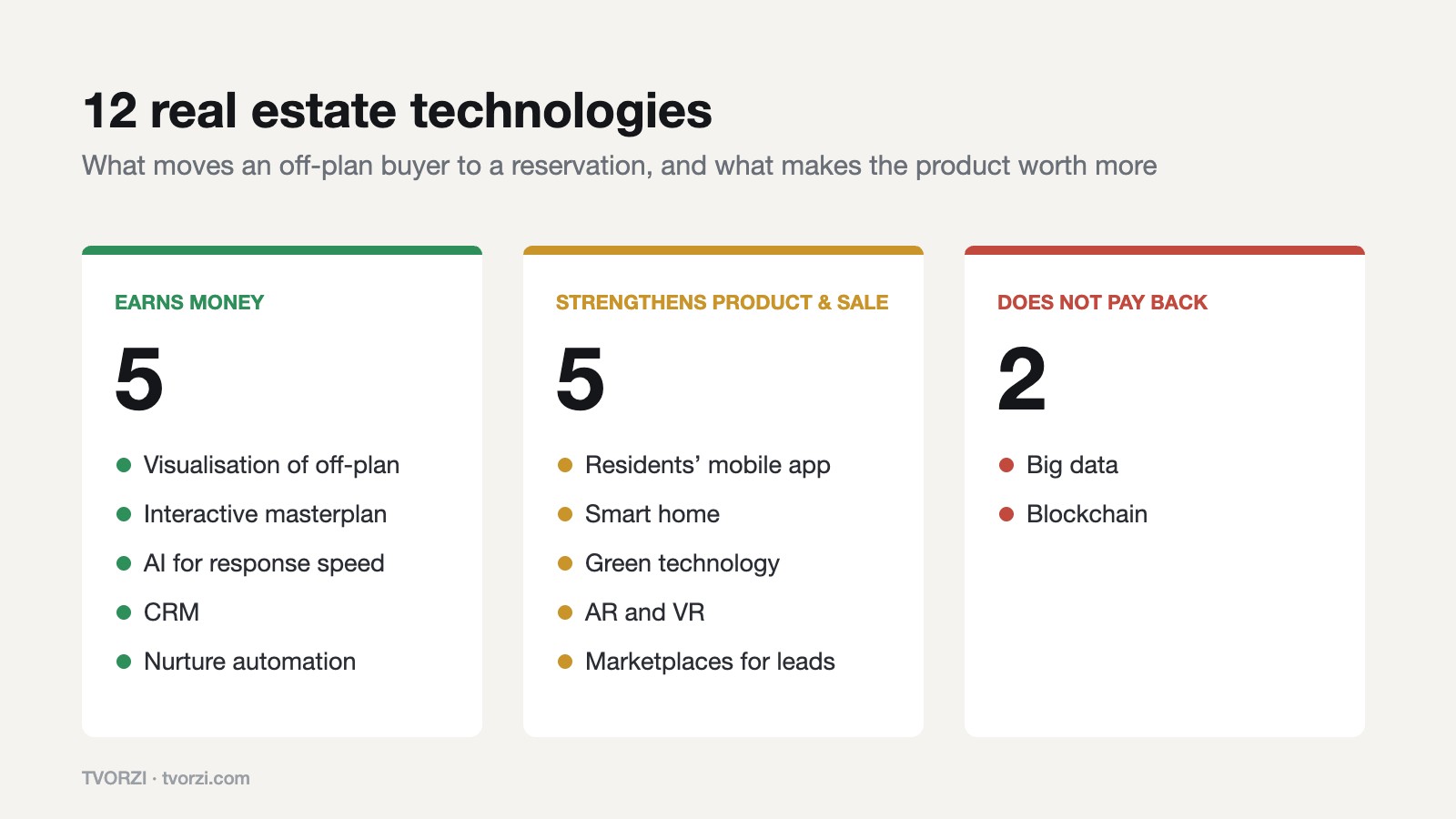
We judged every item by one question: does it move the buyer of an off-plan project towards a reservation or make the product more valuable. 3 groups came out. Earning money (5): visualisation of what is not yet built, interactive unit selection, AI for response speed, CRM, nurture automation. Strengthening the product and the sale (5): a mobile app for residents, smart home, green technology, AR and VR, marketplaces as a lead channel. Not worth it at the scale of one project (2): big data and blockchain.
1. An interactive masterplan with a live availability chart
This is the core of digital off-plan sales. The buyer rotates a 3D model of the complex, clicks a villa or a floor and gets the unit card: layout, view from the window, price, status and a 'get an offer on WhatsApp' button.
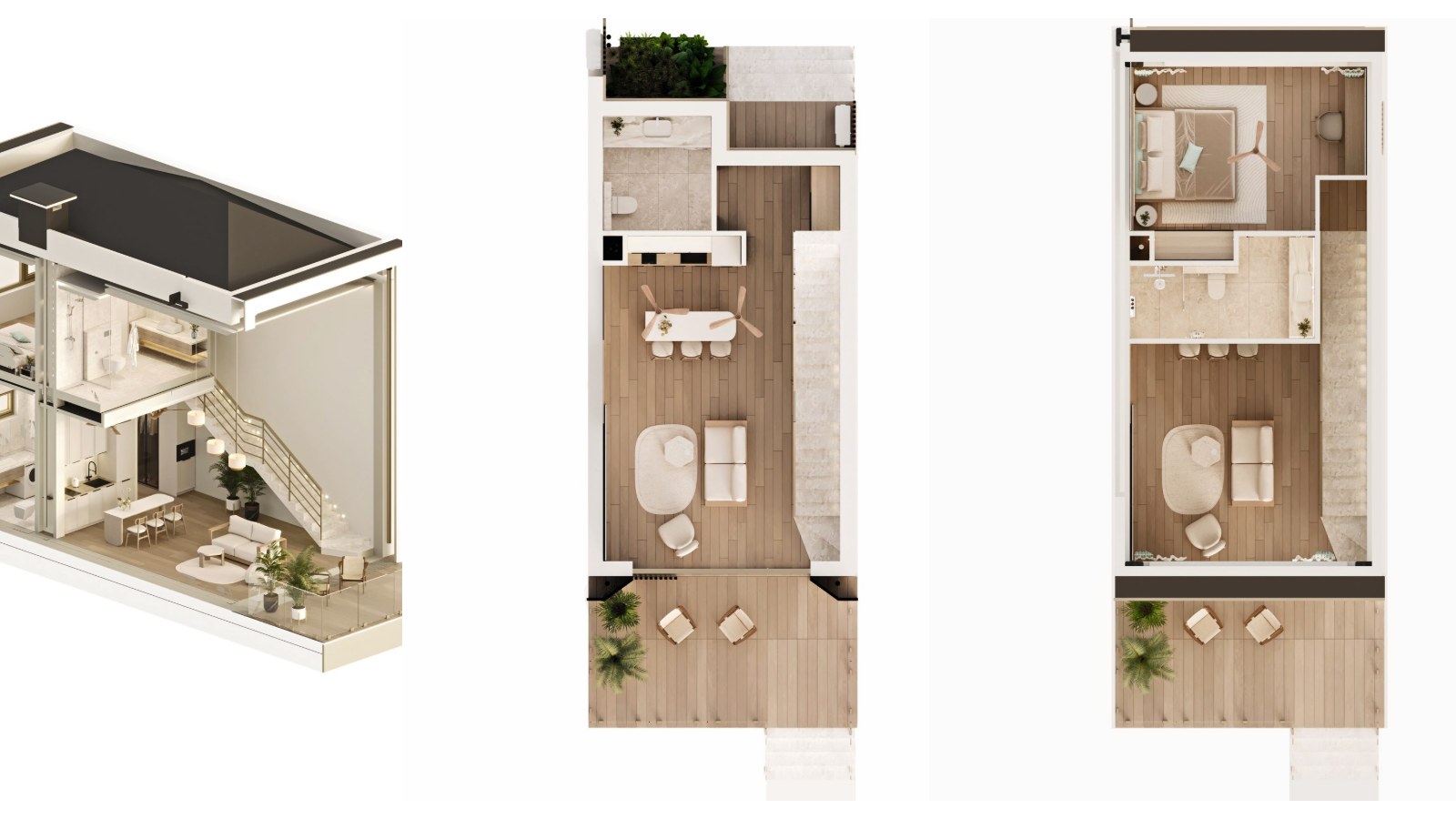
The key part is the status. When it is synced with the CRM, a 'sold' mark on the plan creates scarcity by itself: the buyer sees units going and delays the decision less. When it is not, you risk selling a unit that is already sold, which is the worst thing that can happen to trust.
What changes in the funnel: fewer 'what is available and how much' questions and more enquiries about a specific unit. With that kind of enquiry the sales manager talks about the deal, not the catalogue.
2. Visualisation tied to price
Everyone has beautiful renders now, so renders alone do not sell. Visualisation that explains the price does. Real window views by floor (drone shots at set heights plus compositing) justify the premium for floor and view. A 360 tour of a reference interior with switchable finishes turns the finish package into an upsell. A 'day in the life' video sells the surroundings, not the floor area.
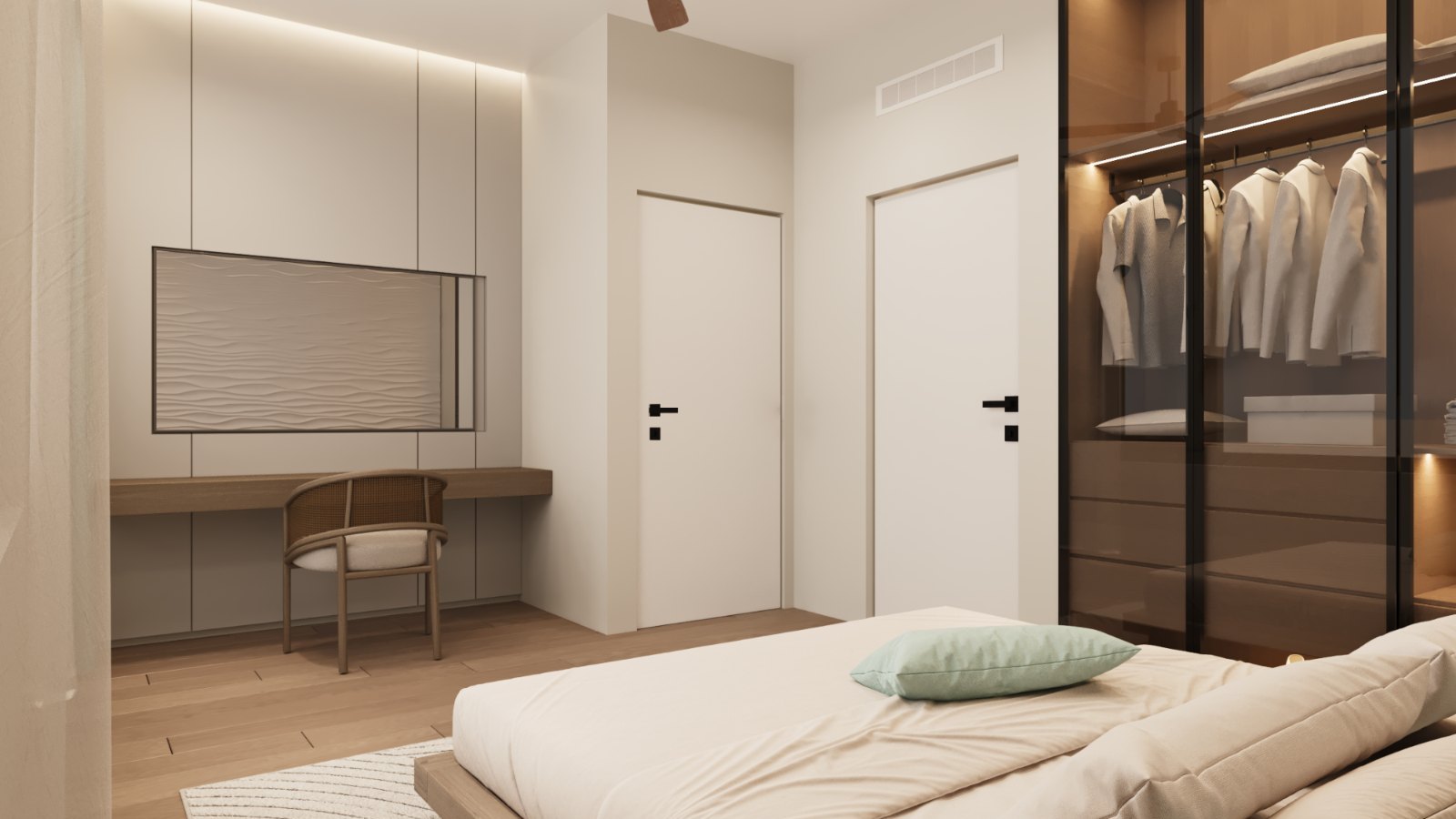
AR and VR work too, and they are inexpensive today. A VR headset at an exhibition, in the sales office or at a meeting with an agent lets the buyer walk through an apartment that does not exist yet, and that sticks better than any presentation. AR on a phone shows the future house right on the plot.
3. Response speed: AI and messengers
AI is useful, just not where it is usually sold. 'Predictive analytics' on the volume of one complex is a nice phrase. What works is a first reply to an enquiry in under 5 minutes, around the clock, in English, Russian, Ukrainian and German.
An assistant in WhatsApp or Telegram asks about budget, timing, purpose (to live in, to rent out or to invest) and payment method, and only then hands the hot lead to a manager. The risk is obvious: a bot that makes up prices and terms. Its answers have to be strictly limited to a knowledge base and the current price list.
4. CRM and nurturing a long deal
In 2026 a CRM is not a trend but basic hygiene. A resort property deal takes 2 to 9 months, and without systematic nurturing leads go cold and move to whoever reminded them at the right time.
The sequence we build into projects: a monthly photo and video construction report, price growth by stage, 'N units of this type left', a yield calculator. On top of it, behaviour scoring: whoever opened the price list or looked at the same villa 3 times gets a call from a manager the same day.
5. Product, not just marketing
This is where an architecture practice has an edge over an agency. A smart home with remote control of the apartment is not a gadget but a package for the rental scenario: an owner in another country sees what is happening with the property, and that becomes an argument in the yield numbers.
Energy efficiency is sold the same way: as calculated annual savings on utilities, a separate line in the investment model. This matters especially to buyers from Germany and Scandinavia. An 'eco' label on a render without numbers does nothing.
A dedicated mobile app for residents is worth building. Entry to the grounds and the car park, utility payments, access to the cameras, the instalment payment schedule, a video intercom that rings the phone instead of a panel in the hallway. It is convenient, modern and already expected, and the buyer sees this service at the sales stage as part of the product.
The risks nobody mentions
Visualisation that is better than reality. If the render does not match the finish specification, complaints at handover and damage to reputation are guaranteed. Every image has to match the project.
A masterplan that is not synced with the CRM. Prices on the site lag behind the price list: the buyer picks a unit at one figure and hears another from the manager. That conversation starts with distrust, and no advertising will fix it.
Technology instead of an offer. If the price, the payment plan and the yield are not packaged, no amount of 3D will save it.
How to check that it works
4 metrics worth measuring before and after. Conversion from site visit to enquiry. The share of enquiries with a chosen unit. Time to first reply and conversion from lead to meeting or video call. The average premium for floor or view after real window views appear on the site.
What we do ourselves
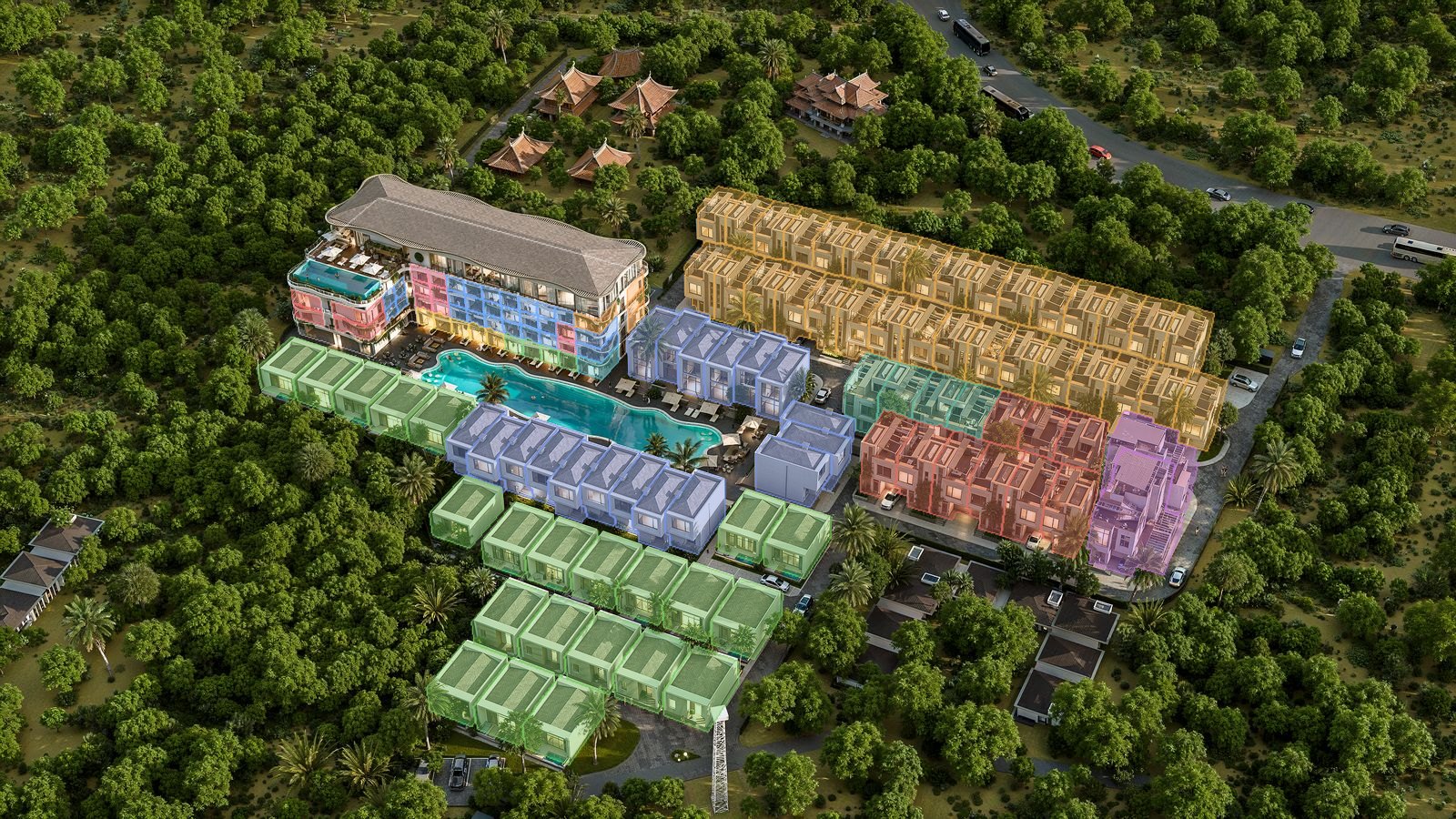
For Ramada Encore Bali in Pandawa we built a clickable 3D masterplan on top of the complex flyover. Every villa and every hotel room can be clicked and opens a card with the type, area and 3D layouts, and for some types a 3D tour as well. The module runs on the project pages and in the Interactive section of our site, so you can try it yourself.
The next step for these modules is live unit statuses from the CRM and a reservation button right in the card. If you need a tool like this for your project, write to us and we will show how it fits into your sales funnel.